 Get a Quote
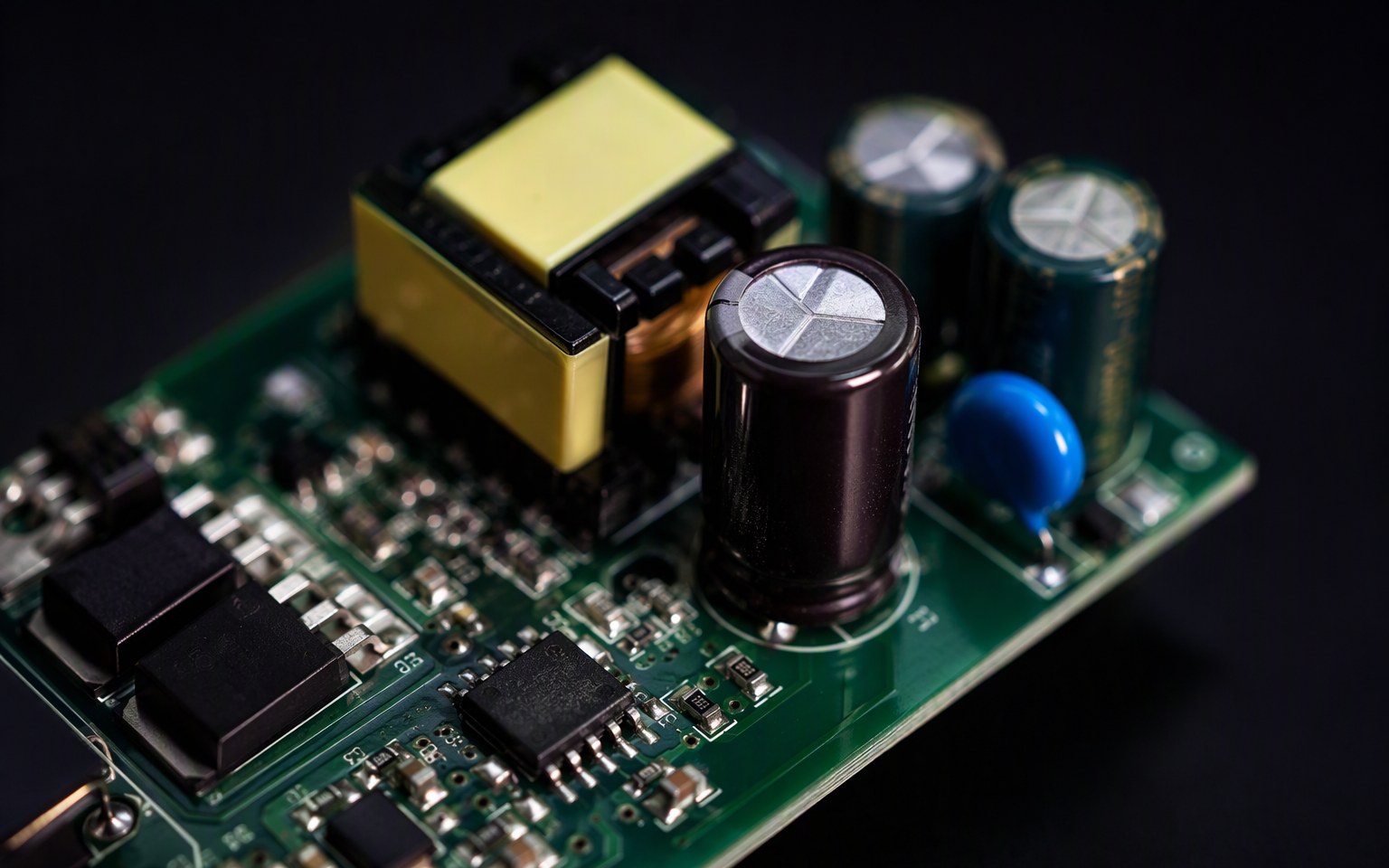
Ask buyers what determines an LED fixture's lifespan and most say "the chip." In our failure-analysis records, the driver accounts for the majority of early deaths — electrolytic capacitors drying out, surge events punching through, thermal stress cracking solder joints. The LED chip usually outlives everything around it. If you import lighting, the driver is where your warranty risk actually lives.
Mains power arrives as AC at line voltage with spikes, sags and noise; LEDs need stable, low-voltage DC current. The driver converts, regulates and protects. Everything in that chain — capacitors, MOSFETs, magnetics, control IC — is a wear or stress item. A fixture is only as good as the worst component inside its driver.
| Isolated | Non-isolated | |
|---|---|---|
| Electrical separation from mains | Yes — transformer isolation | No — direct coupling |
| Safety margin on faults | High — user-touchable parts stay safe | Depends entirely on fixture design |
| Efficiency | Typically 86–91% | Typically 90–94% |
| Cost | Higher | Lower — common in tubes and slim panels |
| Where it belongs | Industrial, outdoor, metal-housing fixtures | Insulated consumer-grade products with proper enclosure design |
Established driver makers (Mean Well, Tridonic, Philips Xitanium and similar tiers) publish honest lifetime curves at real temperatures, hold component tolerances batch to batch, and carry certifications that survive tender scrutiny. An anonymous driver with a copied datasheet can test fine on day one and drift out of spec by month six. For project business, a named-driver BOM is cheap insurance; for volume price-driven lines, at minimum demand disclosed component brands and the surge/temperature specs above.
Three patterns: instant death after a surge event; slow dimming or flickering onset as capacitors age; and intermittent dropouts when thermal protection trips in hot ceilings. All three trace back to the driver, not the LEDs.
On most industrial fixtures, yes — plug-type connectors make it a 10-minute swap. Sealed slim products are often driver-integrated, which is one more argument for buying lifespan upfront.
Brand-name or in-house engineered drivers with 105 °C capacitors, 4 kV+ surge, Pst LM ≤1.0 and honest temperature ratings — with the test reports to back each line. Ask for the BOM and the data.
Driver brand, capacitor rating, surge spec — we answer with the bill of materials and test data, not adjectives.