Product Knowledge
How to Read an LED Lighting Datasheet: 12 Specs to Check Before You Order
Nov 2, 2026Longlux Engineering8 min read
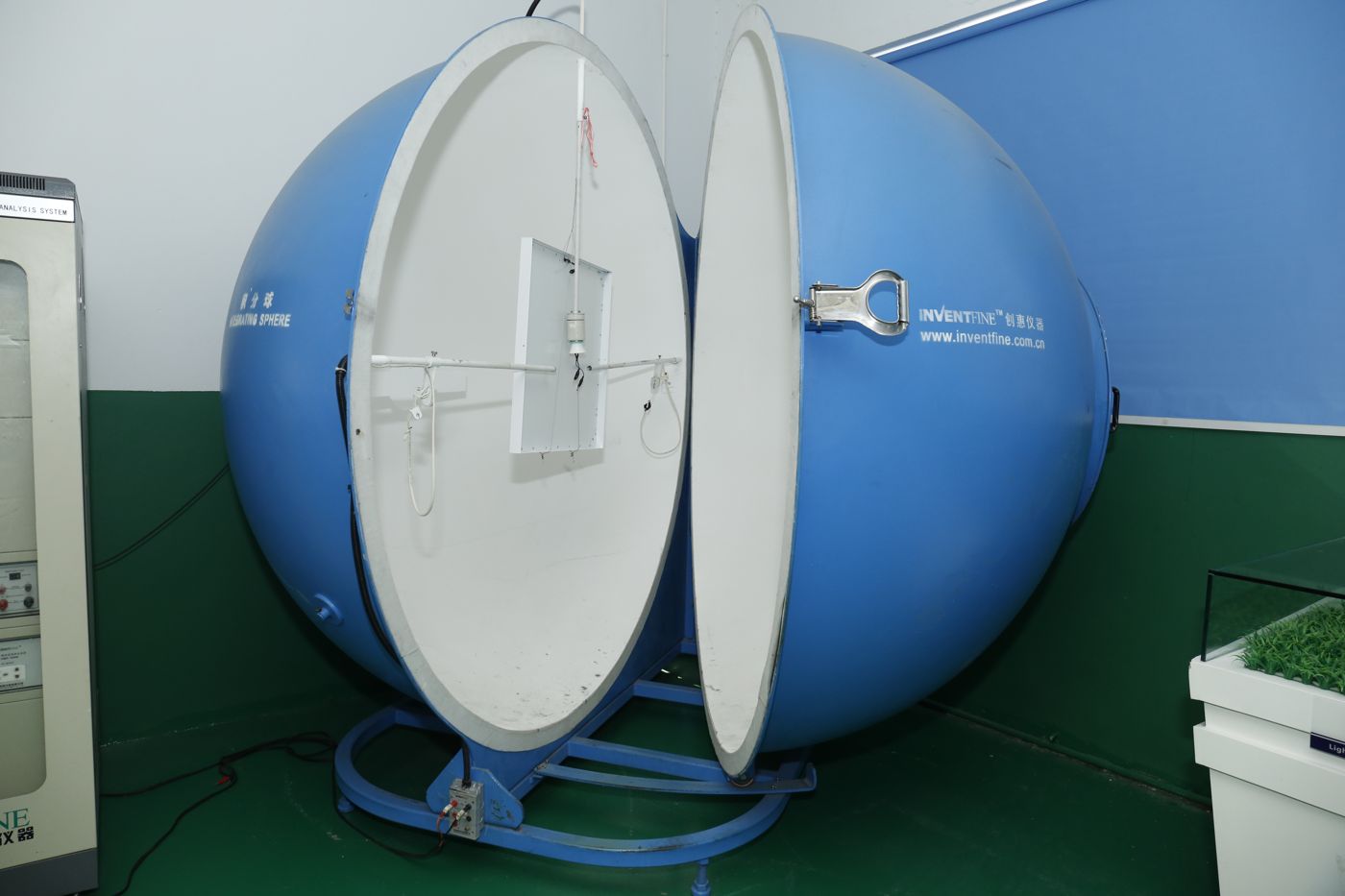
Two fixtures with the same wattage and a similar price can differ by 40% in real light output and by years in service life. The differences are all written on the datasheet — if you know which lines to read and which marketing lines to skip. Here are the twelve that matter, roughly in the order a professional buyer checks them.
Light output and efficiency
- 1. Luminous flux (lm). Total light output, measured in an integrating sphere. Ignore "equivalent to X W fluorescent" — compare lumens directly.
- 2. System efficacy (lm/W). Lumens divided by total system watts (fixture + driver). For professional-grade fixtures, expect 110+ lm/W on industrial products and 120+ on panels and tubes. Anything dramatically higher deserves scrutiny of test conditions.
- 3. Color temperature and CRI. 4000 K is the workhorse; CRI ≥80 is standard, CRI ≥90 for retail and inspection areas. Check Ra9 on high-CRI claims — a high Ra9 (rich red rendering) is what actually distinguishes food and retail lighting.
Color quality consistency
- 4. SDCM (color consistency). MacAdam step rating. SDCM ≤3 for multi-fixture ceilings; ≤2 for design-led retail. No SDCM claim usually means it was not measured.
- 5. Beam or polar distribution. For directional and high-bay fixtures, the IES/LDT photometric file matters more than any single number — ask for it (see our guide to photometric reports).
Electrical robustness
- 6. Power factor and THD. PF ≥0.9 and THD ≤20% are the professional floor. High THD distorts site power quality and can trip harmonics-sensitive equipment on large installations.
- 7. Surge immunity. 1 kV is residential-grade; industrial fixtures should state 4 kV line-to-line minimum, 6–10 kV for exposed sites. This line predicts lightning-season failure rates better than any warranty length.
- 8. Input voltage range. Narrow 220–240 V suits stable commercial grids; wide 100–277 V covers multi-region SKUs and sag-prone industrial supplies.
Comfort and health
- 9. Flicker (Pst LM / stroboscopic effect). Pst LM ≤1.0 and SVM ≤0.4 are the EU Ecodesign baseline for good reason — visible flicker drives complaints in offices and camera-based production alike.
- 10. Glare rating (UGR). For panels and indoor industrial luminaires, a UGR table by room geometry beats a bare "UGR<19" claim. Screen-work areas need UGR<19.
Longevity and environment
- 11. Lifetime statement — read the conditions. "L70 B50 50,000 h @ Ta 25 °C" means: at 25 °C ambient, 50% of units survive to 70% output at 50,000 h. Lifetime quoted without temperature and without the L70/B-values is marketing. High-temperature derating curves tell you what happens in real ceilings.
- 12. IP/IK and ambient range. Match IP rating to the washdown and dust reality (see our IP guide), IK to impact exposure, and the stated ambient range to the site's hottest corner — not its average.
The 60-second professional scan
Flux → efficacy → SDCM → flicker → surge → lifetime conditions. Six numbers, in that order, eliminate most bad fixtures before the sample stage. If a supplier's datasheet is missing three or more of these lines, the fixture was usually not tested to a standard you can sell against — ask for the test reports.
Frequently asked
Are datasheet values legally binding?
Within the EU, yes in practice — declared values fall under the Ecodesign and market-surveillance regime, and deviations are a compliance liability for the importer of record. That is exactly why professional buyers keep signed-off test reports per shipment.
What test reports should accompany an order?
At minimum: photometric (IES/LM-79 style), EMC and safety (LVD/EN 60598), and the specific certificate claims on the label (CE, RoHS, ErP). For tenders, CB reports and ENEC add acceptance weight.
Can you generate custom datasheets for our brand?
Yes — measured data, professionally formatted, private-labeled for distributor programs, with the test files behind every claim.
Related Products
Put the Specs to Work
 Get a Quote